Optimal Timing for Varnish Stripping
Varnish stripping is most effective when performed under optimal environmental conditions. The timing of the process can significantly influence the quality of removal and the longevity of the underlying surface. Proper scheduling ensures efficient work and minimizes potential issues related to weather or surface conditions.
Late spring and early fall often provide ideal weather for varnish stripping, due to moderate temperatures and lower humidity levels.
Dry, mild days with low humidity are preferred to prevent moisture interference and ensure proper adhesion of stripping products.
Timing should consider surface readiness, avoiding periods of heavy rain or extreme cold that can hinder proper preparation.
Scheduling during seasons with predictable weather minimizes delays and ensures completion within planned timelines.
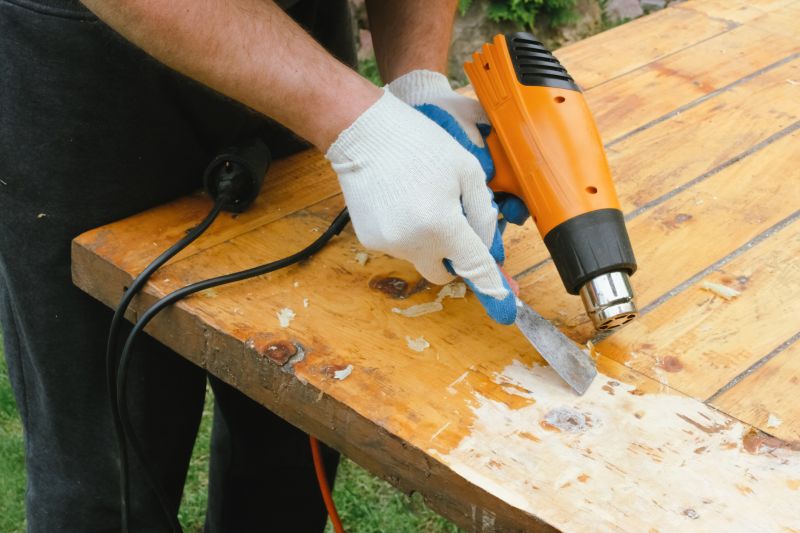
Spring offers moderate temperatures and low humidity, ideal for varnish removal.
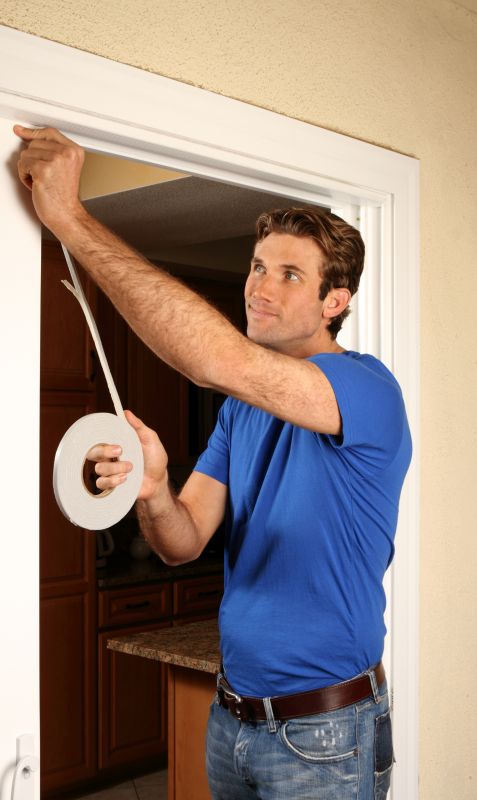
Fall provides cooler, dry conditions that facilitate effective stripping before winter.
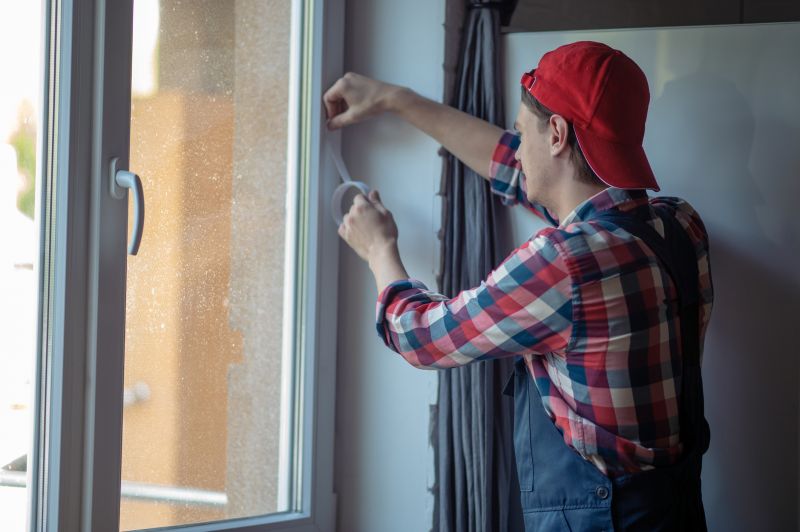
Clear, dry days with mild temperatures support optimal stripping results.
Timing projects during stable weather prevents moisture-related issues and surface damage.
| Season/Time | Best Conditions |
|---|---|
| Late Spring | Moderate temperatures, low humidity |
| Early Fall | Cool, dry weather |
| Summer | High temperatures, high humidity — not recommended |
| Winter | Cold temperatures, potential frost — not recommended |
| Post-rain periods | Surface may be damp, delaying work |
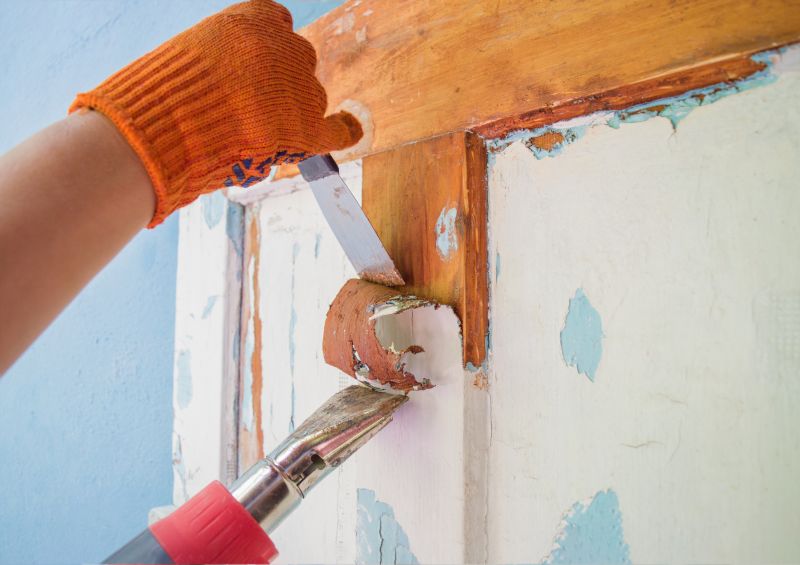
Varnish stripping involves removing old or damaged varnish layers from surfaces such as wood, metal, or furniture. The process typically uses chemical strippers, heat guns, or mechanical methods to eliminate the finish, preparing the surface for refinishing or repainting. Proper timing ensures the process is efficient, reduces surface damage, and extends the lifespan of the underlying material.
Statistics indicate that performing varnish stripping during optimal weather conditions can reduce project time by up to 30%, while minimizing surface rework and preserving the integrity of the substrate. Weather-related delays are common when projects are scheduled during unsuitable seasons, leading to increased costs and extended timelines.
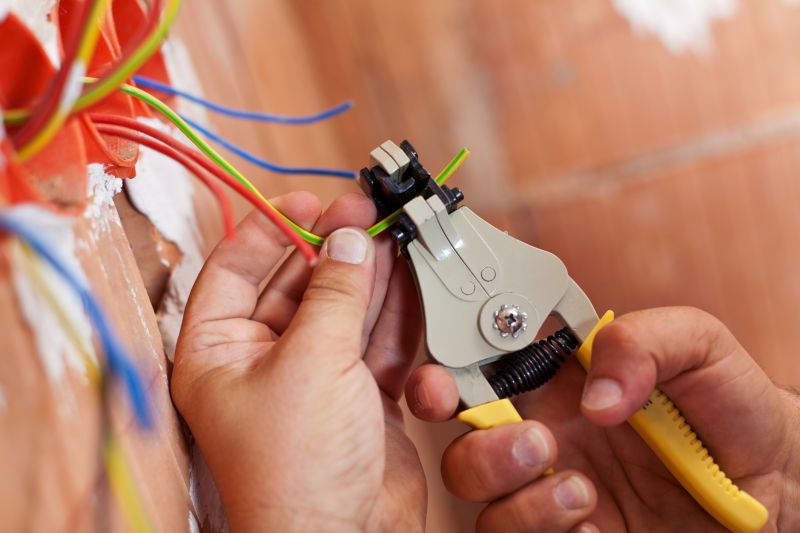
Various tools, including chemical strippers and heat guns, are used based on surface type and condition.

Proper timing allows for effective cleaning and surface readiness before stripping.
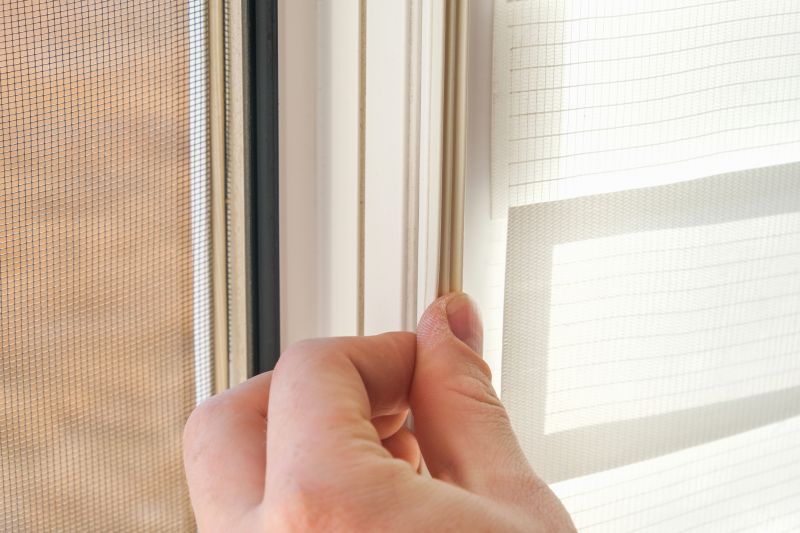
Applying stripping agents during optimal weather ensures better adhesion and removal.
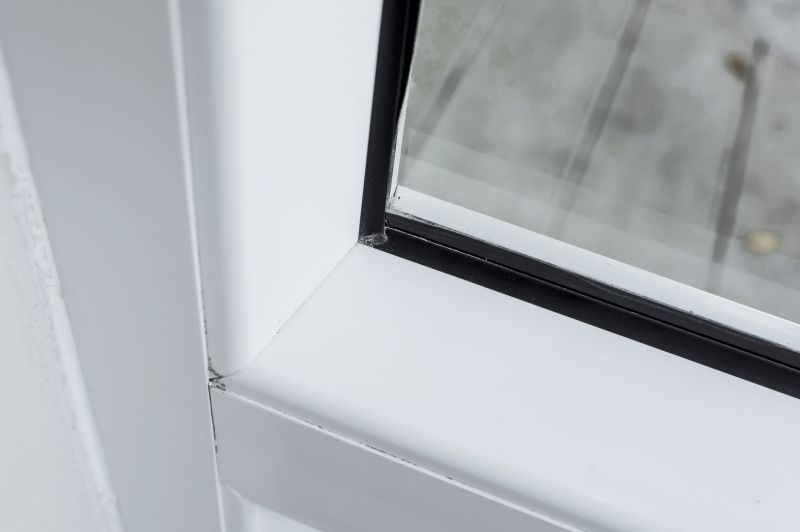
Cleaned and prepared surface ready for refinishing, achieved under suitable timing conditions.
Popular materials for Varnish Strippings and why they hold up over time.
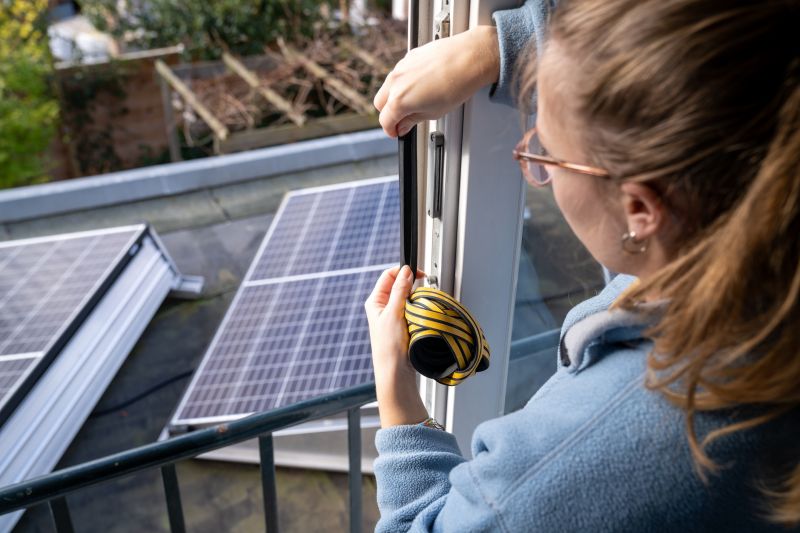
Simple add-ons that improve Varnish Strippings without blowing the budget.
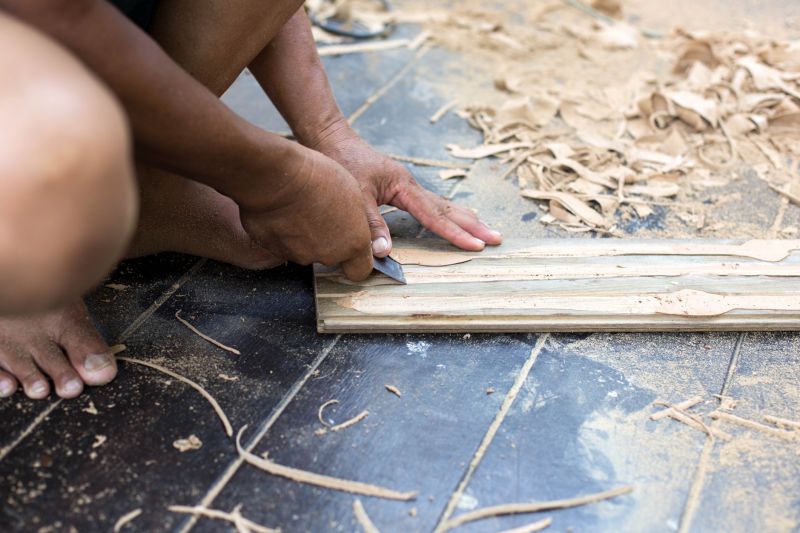
High-end options that actually feel worth it for Varnish Strippings.
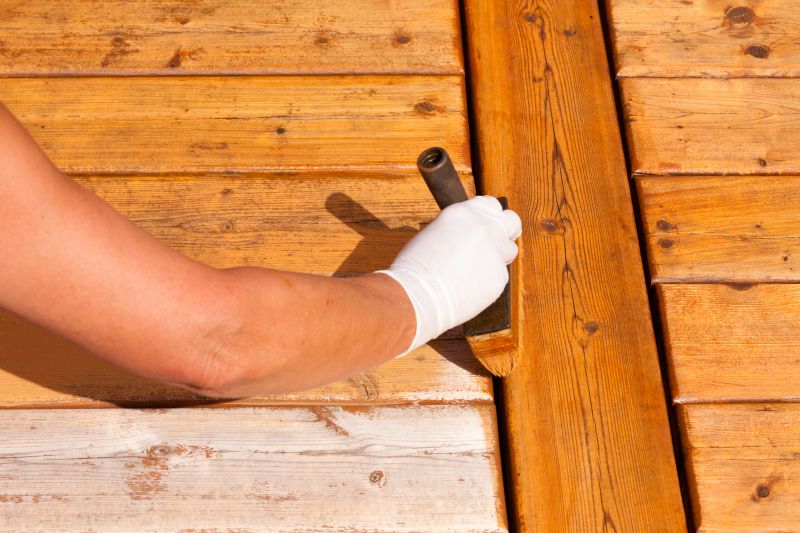
Finishes and colors that play nicely with Varnish Strippings.
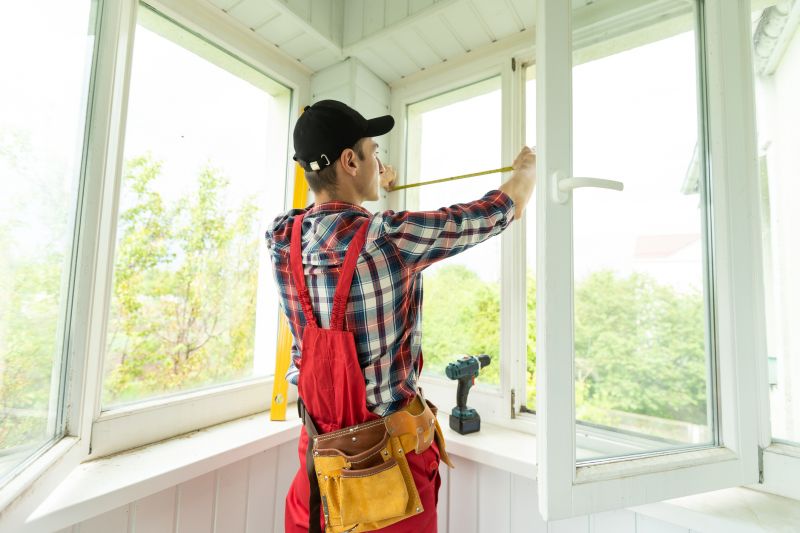
Little measurements that prevent headaches on Varnish Strippings day.
Interested in scheduling varnish stripping services? Filling out the contact form can provide guidance on the best timing for specific projects, ensuring optimal results and surface longevity.