
Popular Varnish Stripping Products For Professional Results
Discover trusted tools and products favored by professionals to achieve smooth, clean surfaces during varnish removal projects.
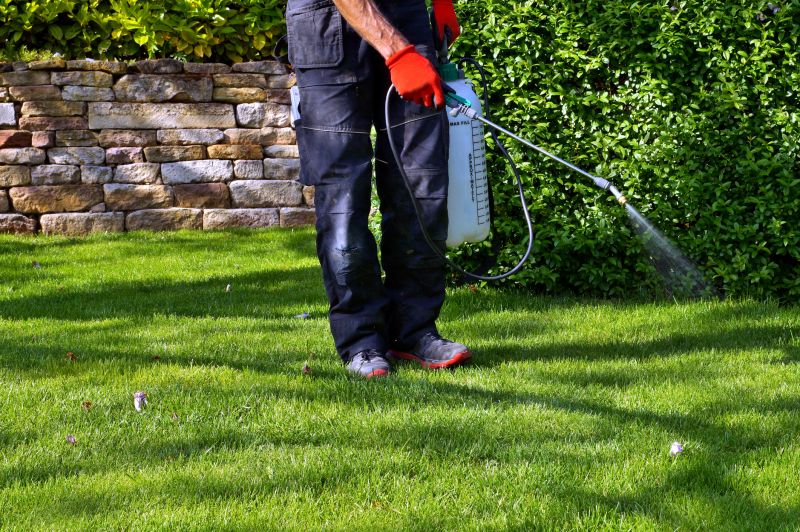 Varnish stripping is an essential step in furniture restoration, woodworking, and DIY projects that involve refinishing surfaces. Selecting the right products can make the process more efficient and safer, especially when dealing with different types of finishes. Varnish removers come in various forms, including chemical strippers, heat guns, and mechanical scrapers, each suited to specific applications and user preferences. Chemical strippers typically contain solvents designed to dissolve varnish layers, while heat guns soften the finish for easier removal. Mechanical tools like scrapers or sanding pads are often used in conjunction with chemical or heat methods to achieve a smooth surface.
Top Overall Option
Chemical Varnish Stripper Gel
A versatile and user-friendly chemical stripper gel designed to effectively remove multiple layers of varnish and finish. Its thick consistency allows for easy application on vertical surfaces and intricate details, reducing drips and mess. Suitable for use on wood, metal, and other surfaces, it offers a balanced formulation that minimizes harsh fumes while providing consistent results. Always follow safety guidelines when applying and disposing of chemical products to ensure a safe and efficient stripping process.
Types of Products For Varnish Strippings
Chemical Stripping Gel
Thick gel formulations that adhere well to surfaces, ideal for vertical applications and detailed work.
Heat Gun
Portable device that softens finishes for quick removal, suitable for larger or flat surfaces.
Mechanical Scrapers
Manual tools designed to physically lift off softened or loosened varnish layers.
Chemical Liquid Strippers
Liquid solvents that dissolve varnish and finish layers, often used with brushes or rags.
Foam Paint Removers
Foam-based products that expand and cling to surfaces, easing the removal of stubborn finishes.
Eco-friendly Strippers
Less aggressive chemical options formulated for safer handling and disposal.
Pneumatic Strippers
Powered tools that use compressed air to assist in removing finishes efficiently.
Heat Curves and Infrared Devices
Advanced tools using infrared heat to soften finishes for easy scraping.
Sandblasting Equipment
Mechanical method that uses abrasive particles to strip finishes from surfaces rapidly.
Chemical Paste Removers
Thick pastes that stay in place, ideal for vertical surfaces and detailed areas.
Popular Choices
Widely used for its ease of application and effectiveness on layered finishes.
A common choice for quick, chemical-free removal of finishes on various surfaces.
Affordable tools favored for their simplicity and control during removal.
Popular for their straightforward application and compatibility with different surfaces.
Effective for stubborn finishes, especially on large flat surfaces.
Growing in popularity for safer handling and disposal, suitable for sensitive projects.
Increasingly favored for their precision and reduced chemical use.
Chosen for rapid removal in industrial or large-scale projects.
Popular for vertical surfaces and detailed areas where drips are a concern.
When choosing varnish stripping products, it is important to consider the type of finish, the material being treated, and the level of detail involved in the project. Some products are formulated for delicate surfaces to prevent damage, whereas others are more aggressive for thick or stubborn finishes. Safety should also be a priority; protective gear such as gloves, masks, and eye protection are recommended when working with chemical strippers. Proper ventilation is crucial to avoid inhaling fumes, especially in enclosed spaces.
The application process varies depending on the product type. Chemical removers are typically applied with brushes or cloths and left to sit for a specified time before scraping or wiping away. Heat guns require careful handling to prevent scorching or damaging the underlying surface. Mechanical tools demand a steady hand and patience but can be effective for quick removal or detailed work. Combining these methods often yields the best results, especially on complex or layered finishes. Proper disposal of used chemicals and debris is also an important aspect of responsible project completion.
Overall, selecting suitable varnish stripping products involves understanding the specific requirements of your project, safety considerations, and the desired finish. With the right tools and products, users can efficiently prepare surfaces for refinishing, painting, or staining, ensuring a clean, smooth base for their next project.
Key Buying Considerations
- Type of finish to be removed (varnish, polyurethane, lacquer, etc.)
- Surface material and its sensitivity to chemicals or heat
- Project size and whether a quick or detailed removal is needed
- Application method preference (brush, spray, heat gun, etc.)
- Ease of cleanup and disposal requirements
- Safety features and protective equipment needed
- Fume emissions and ventilation considerations
- Compatibility with vertical or horizontal surfaces
- Layer thickness and stubbornness of the finish
- Environmental impact and chemical formulation preferences
- Cost and availability of the product
- Shelf life and storage considerations
- User experience and comfort with tools or chemicals
- Potential for surface damage or residual residue
- Brand reputation and product reviews
This content contains affiliate links. We may earn a commission if you purchase through these links, at no additional cost to you.